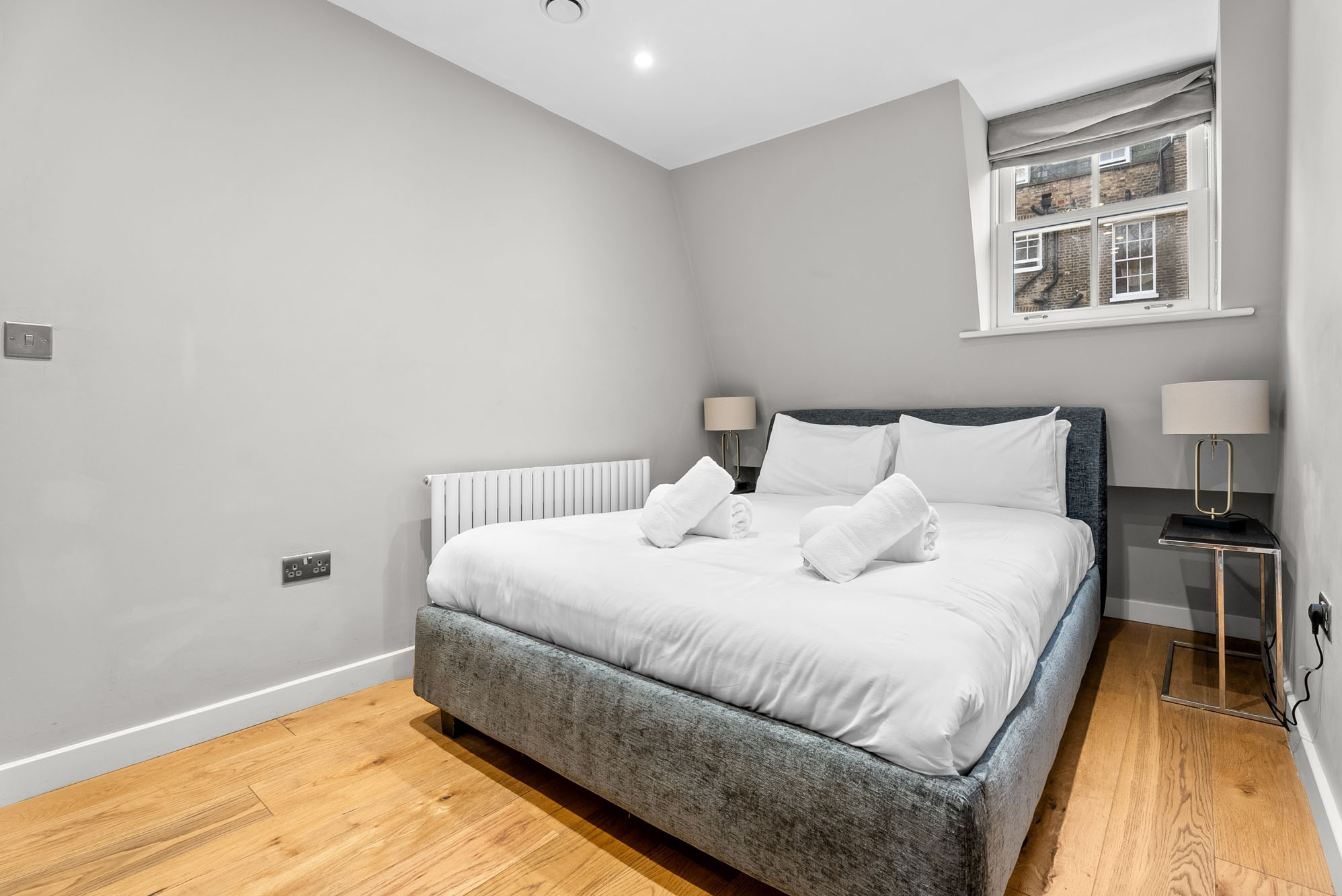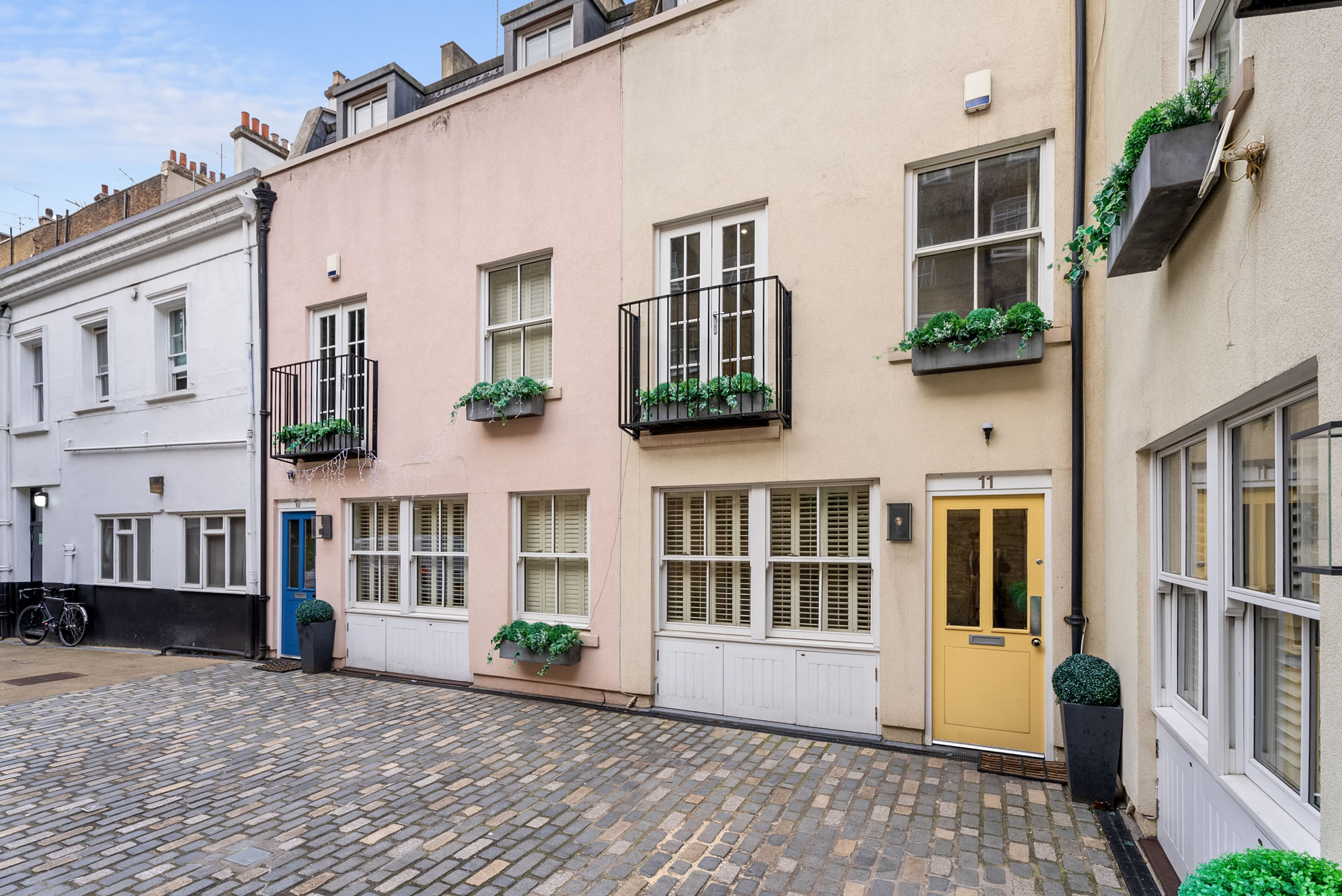
4-bedroom mews house in Paddington

Short-term rental vs Long-term in Paddington

4-bedroom mews house in Paddington
Location
Paddington
Type
Apartment
Average nightly rate
£
441
Net income uplift
£
36054
Average guest rating
4.72
Location

Location & Market Context

The property is a 4-bedroom house located in Paddington, one of Central London’s best-connected residential and visitor locations. Despite being relatively compact for a four-bedroom London house, its location makes it particularly well suited to short and medium-term accommodation. Paddington provides excellent access to Hyde Park, Notting Hill, Marylebone and the West End, while Paddington Station offers direct rail connections across London and to Heathrow Airport via the Elizabeth line and Heathrow Express. For short-term guests, this combination of central location, transport connectivity and four-bedroom capacity creates a particularly attractive proposition for families and groups travelling together. Rather than simply looking at how much the property could theoretically earn, we can compare its estimated long-let value against its actual short-let performance.

Annual figures

Short-term Airbnb vs long-term let — side-by-side

The Headline Comparison

Rental Strategy Annual Gross Revenue
Estimated Long-Term Let £72,000
Actual Short-Term Let £108,054
Additional Gross Revenue £36,054
Gross Revenue Uplift +50.1%
The figures above are illustrative and exclude financing costs, purchase costs and tax. They are designed to show the relative difference in operating income for the same property under two different strategies.
Advantages

Key advantages

Short Let vs Long Let in London: A 4-Bedroom Paddington House Case Study

How Did the Property Generate £108,054?

Successful short-term letting is not simply about listing a property on Airbnb and setting a nightly price.

Performance depends heavily on occupancy, pricing strategy, seasonality, listing optimisation and distribution across booking channels.

The Paddington property provides a good example.

During 2025, monthly revenue varied significantly depending on demand.

Some of the strongest months included:

  • May 2025 – £12,550
  • June 2025 – £11,749
  • September 2025 – £11,813
  • December 2025 – £11,171

Occupancy also reached particularly high levels during several periods.

In May 2025 occupancy reached 88.89%, while both June and September exceeded 92% occupancy.

At the same time, nightly pricing increased substantially during periods of stronger demand.

The average nightly rate reached £641 in July 2025, demonstrating how dynamic pricing can capture higher-value bookings during peak periods.

General-Overview-7-21-2026.pdf

This ability to adjust pricing is one of the fundamental differences between short-term and long-term letting.

Why Short Let Revenue Can Outperform Long-Term Rent

With a traditional tenancy, the landlord agrees a fixed monthly rental amount.

In this example, that might be approximately:

£6,000 per month.

Whether London experiences exceptionally high visitor demand, a major sporting event or a particularly strong summer season, the landlord continues receiving broadly the same contracted rent.

Short-term rentals operate differently.

Nightly rates can change continuously according to market conditions.

During periods of lower demand, pricing can be adjusted to protect occupancy.

During periods of high demand, rates can increase substantially.

For this Paddington property, the data illustrates this clearly.

Average nightly rates ranged from approximately £290 in January 2025 to £641 in July 2025.

Rather than relying on a fixed monthly rental figure, the property was therefore able to monetise fluctuations in London accommodation demand.

Short Let vs Long Let: Gross Revenue Is Only Part of the Story

It is important to make a fair comparison.

A property generating £108,054 through short letting is not automatically £36,054 more profitable than a property generating £72,000 through a long-term tenancy.

Short-term rentals have additional operating costs.

These can include:

  • Property management fees
  • Utilities and broadband
  • Guest consumables
  • Cleaning and linen-related costs where not fully recovered from guests
  • Maintenance caused by higher guest turnover
  • Booking platform commissions
  • Furnishing and replacement costs

With a conventional long-term tenancy, the tenant would normally pay their own utilities and there is significantly less operational involvement.

Therefore, landlords should consider net income rather than simply comparing headline revenue.

Even so, a gross revenue difference of approximately £36,000 per year creates a significant margin from which those additional operating costs can be absorbed.

The best strategy ultimately depends on the individual property, operating costs and the owner’s objectives.

The Importance of Dynamic Pricing

One of the biggest opportunities – and risks – in short-term rental management is pricing.

Setting one fixed nightly rate throughout the year is unlikely to maximise revenue.

London accommodation demand changes significantly depending on:

  • Seasonality
  • Weekends versus weekdays
  • School holidays
  • Major concerts and events
  • Sporting events
  • International visitor demand
  • Booking lead times
  • Local hotel availability
  • Last-minute demand

Professional revenue management therefore involves continuously adjusting rates according to market conditions.

The Paddington property’s 2025 performance demonstrates why this matters.

The property achieved an average nightly rate of £459 in May, £528 in June and £641 in July, before rates adjusted again as market conditions changed later in the year.

General-Overview-7-21-2026.pdf

A well-managed short-let strategy therefore aims to find the optimal balance between nightly rate and occupancy, rather than simply trying to achieve the highest possible price per night.

Why 4-Bedroom Properties Can Perform Well as Short Lets

Larger properties occupy an interesting position within London’s short-term accommodation market.

Hotels work extremely well for individuals and couples, but accommodation becomes considerably more expensive and fragmented when larger families or groups travel together.

A family or group of eight people may require three or four hotel rooms.

A four-bedroom house allows those guests to stay together while benefiting from shared living spaces, a kitchen and greater privacy.

This can create strong demand from:

Families visiting London

Particularly international families staying for several nights or longer.

Groups travelling together

A house can provide a more practical alternative to booking multiple hotel rooms.

Corporate and business travellers

Project teams and relocating employees may require accommodation for several weeks or months.

Medium-term guests

Guests staying between a few weeks and several months can provide valuable occupancy outside peak tourist periods.

This diversified guest demand can help larger properties maintain occupancy throughout the year.

The Role of Medium-Term Bookings

Short-term rental management does not necessarily mean every reservation lasts only a few nights.

In fact, combining short and medium-term bookings can often produce a stronger annual strategy.

During periods of high tourist demand, shorter stays may command higher nightly rates.

During quieter periods, longer bookings can help maintain occupancy and reduce operational turnover.

Potential medium-term guests include:

  • Corporate relocations
  • Professionals working temporarily in London
  • Families between house moves
  • Guests undergoing home renovations
  • International students and visiting academics
  • Film and television production staff

A flexible rental strategy allows the property to target whichever segment offers the best combination of rate, occupancy and booking security at a particular time.

Why Paddington Works Well for Short-Term Rentals

Location plays a major role in determining whether short-term letting is appropriate.

Paddington benefits from several important demand drivers.

Exceptional transport connections

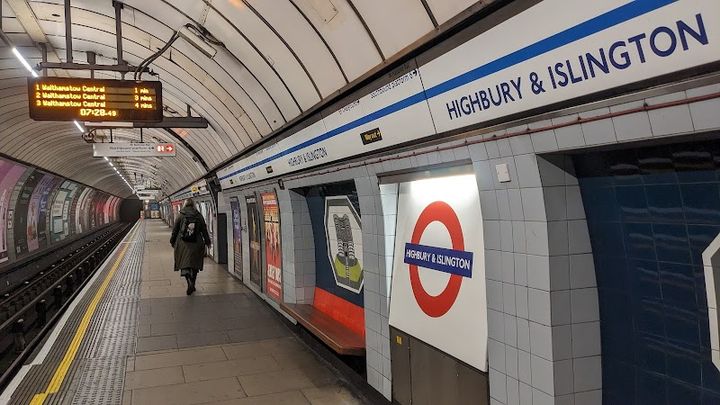
Paddington Station provides Underground, National Rail and Elizabeth line services.

Heathrow Airport is also easily accessible, making the area particularly convenient for international visitors.

Proximity to Central London attractions

Guests can easily reach:

  • Hyde Park
  • Kensington Gardens
  • Notting Hill
  • Marble Arch
  • Oxford Street
  • Marylebone
  • The West End

This makes Paddington attractive to both leisure and business travellers.

Strong international visitor demand

The area’s connection with Heathrow and Central London makes it a natural base for overseas visitors.

For larger families in particular, a multi-bedroom house can offer an attractive alternative to booking several Central London hotel rooms.

Conclusion

Case study outcome

Short Let vs Long Let: Which Strategy Won?

Looking purely at gross rental revenue, short-term letting was the clear winner in this case.

Long let

Estimated monthly rent: £6,000

Estimated annual gross rent: £72,000

Short let

Actual 2025 gross revenue: £108,054

Additional gross revenue: £36,054

Gross uplift: approximately 50.1%

The property therefore generated approximately £3,000 more gross revenue per month on average through short-term letting than the estimated equivalent long-term rental income.

However, the correct conclusion is not that short letting is always more profitable.

The more useful conclusion is that certain London properties have significantly greater revenue potential when operated dynamically rather than rented at a fixed monthly rate.

Other Advantages of Short-Term Letting

Revenue is not the only consideration.

For some property owners, short-term and flexible letting can offer additional benefits.

Greater flexibility

Owners may retain greater flexibility over when the property is available, subject to existing bookings and applicable regulations.

Regular property oversight

Unlike a property occupied by the same tenant for several years, professionally managed short lets are regularly accessed by housekeeping and property management teams.

This can make maintenance issues easier to identify quickly.

Dynamic market pricing

Rates can respond to changes in London’s accommodation market rather than remaining fixed for the duration of a tenancy.

Access to different rental markets

A property can potentially accommodate leisure travellers, corporate guests and medium-term residents rather than depending on one tenant.

These benefits need to be weighed against the greater operational complexity involved.

Is Short Letting Better Than Long Letting in London?

There is no universal answer.

For some properties, a conventional long-term tenancy may provide the best combination of reliable income and minimal operational involvement.

For others – particularly well-located, high-quality properties in Central London – professional short and medium-term letting may unlock significantly greater revenue.

Several factors should be considered:

  • Property location
  • Number of bedrooms
  • Property condition and presentation
  • Expected long-term rental value
  • Short-let demand
  • Operating costs
  • Local regulations and planning restrictions
  • Owner requirements
  • Seasonal demand

A realistic financial assessment should therefore compare the expected net returns from each strategy, rather than simply looking at Airbnb nightly rates or headline revenue figures.

Could Your London Property Earn More as a Short Let?

The Paddington property in this case study demonstrates the difference that the right rental strategy can potentially make.

With an estimated long-term rental value of approximately £72,000 per year, the property generated £108,054 in actual short-let revenue during 2025.

That represents approximately:

£36,054 in additional gross annual revenue

and a:

50% gross revenue uplift compared with the estimated long-let alternative.

At Stay in London, we help property owners assess whether short-term, medium-term or long-term letting is likely to provide the most appropriate strategy for their property.

Our management service can include pricing and revenue management, listing optimisation, multi-channel distribution, guest communication, housekeeping coordination, maintenance management and ongoing property oversight.

If you own a property in Paddington or elsewhere in London and would like to understand its potential as a short or medium-term rental, we can prepare a rental assessment based on your property’s location, size and likely market demand.

Services used

How we deliver this kind of result

See what your property could earn

Free, no-obligation valuation within 24 hours. We'll tell you honestly whether short-letting is the right move.